April 1, 2026
Fire safety is an essential aspect of property management, encompassing a broad array of strategies and technologies aimed at reducing the risks and consequences of fires. Among these safety measures, fire sprinkler installation systems are critical in protecting properties from fire-related damage. By understanding their role and effectiveness, particularly in decreasing the risk of life-threatening situations and property losses, we can appreciate their importance in enhancing overall safety in residential and commercial spaces.
1. Understanding the Basics of Fire Sprinkler Systems
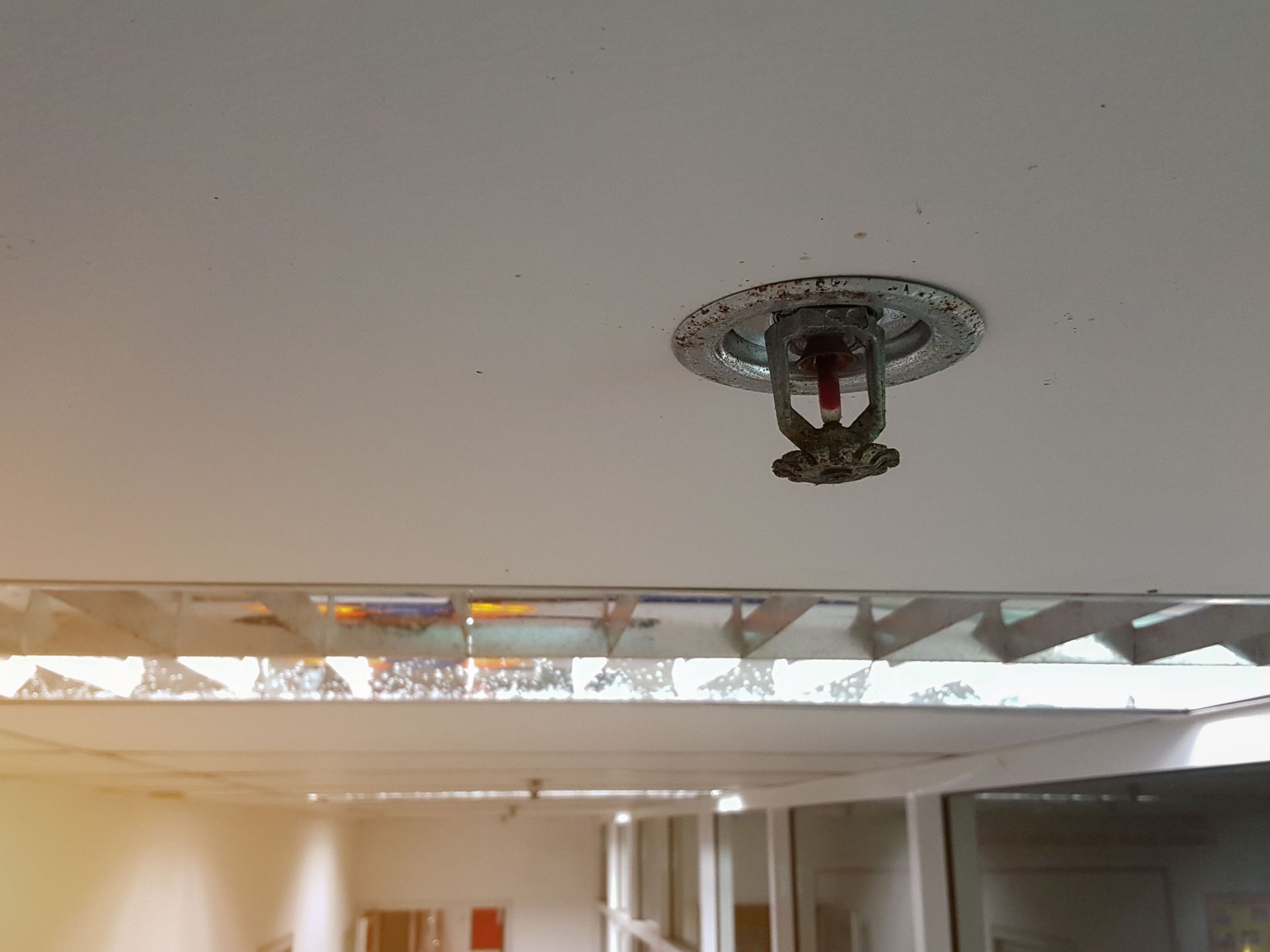
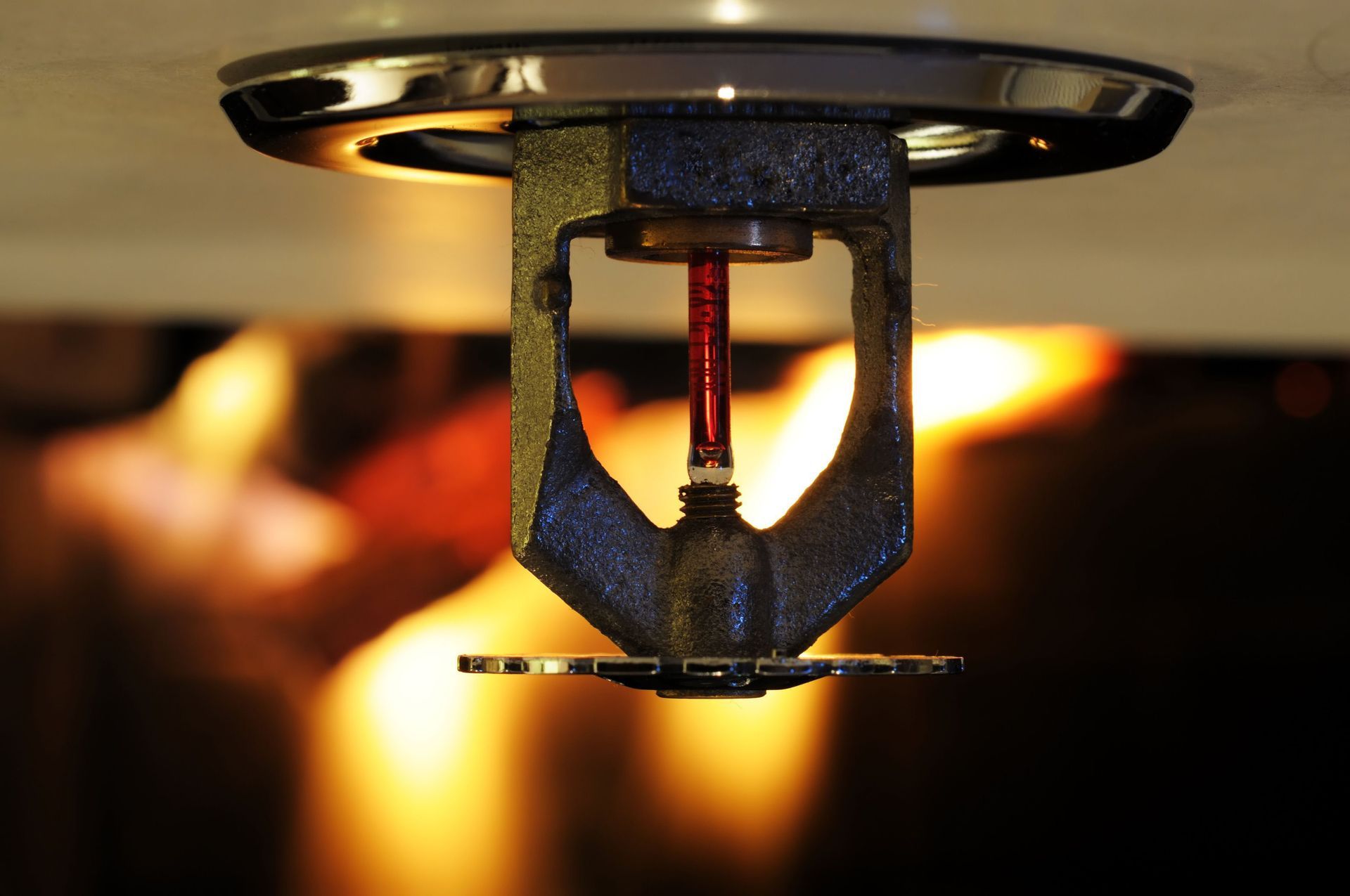
A fire sprinkler installation system is an automatic fire protection measure consisting of a water supply system and piping, designed to suppress or extinguish fires. Typically, it includes a network of sprinkler heads placed strategically within buildings, which work individually when exposed to elevated temperatures. These systems activate in response to heat, releasing water over a defined area to prevent the spread of flames. While commonly used in commercial properties, they are increasingly popular in residential settings as well. Their importance cannot be overstated, as they provide a rapid response to emergent fires, thereby significantly reducing potential damage.
The concept of automatic fire sprinklers dates back to the late 19th century, with Frederick Grinnell being credited for inventing the modern automatic sprinkler system. Originally, these systems were rudimentary, consisting of perforated pipes manually opened in case of a fire. Over time, significant advancements in technology have led to the development of sophisticated and highly effective systems we see today. The evolution of these systems reflects ongoing efforts to refine their efficiency, reliability, and applicability across various property types. This historical trajectory underscores the continuous improvement in fire safety measures, driven by the demand for more effective life and property protection.
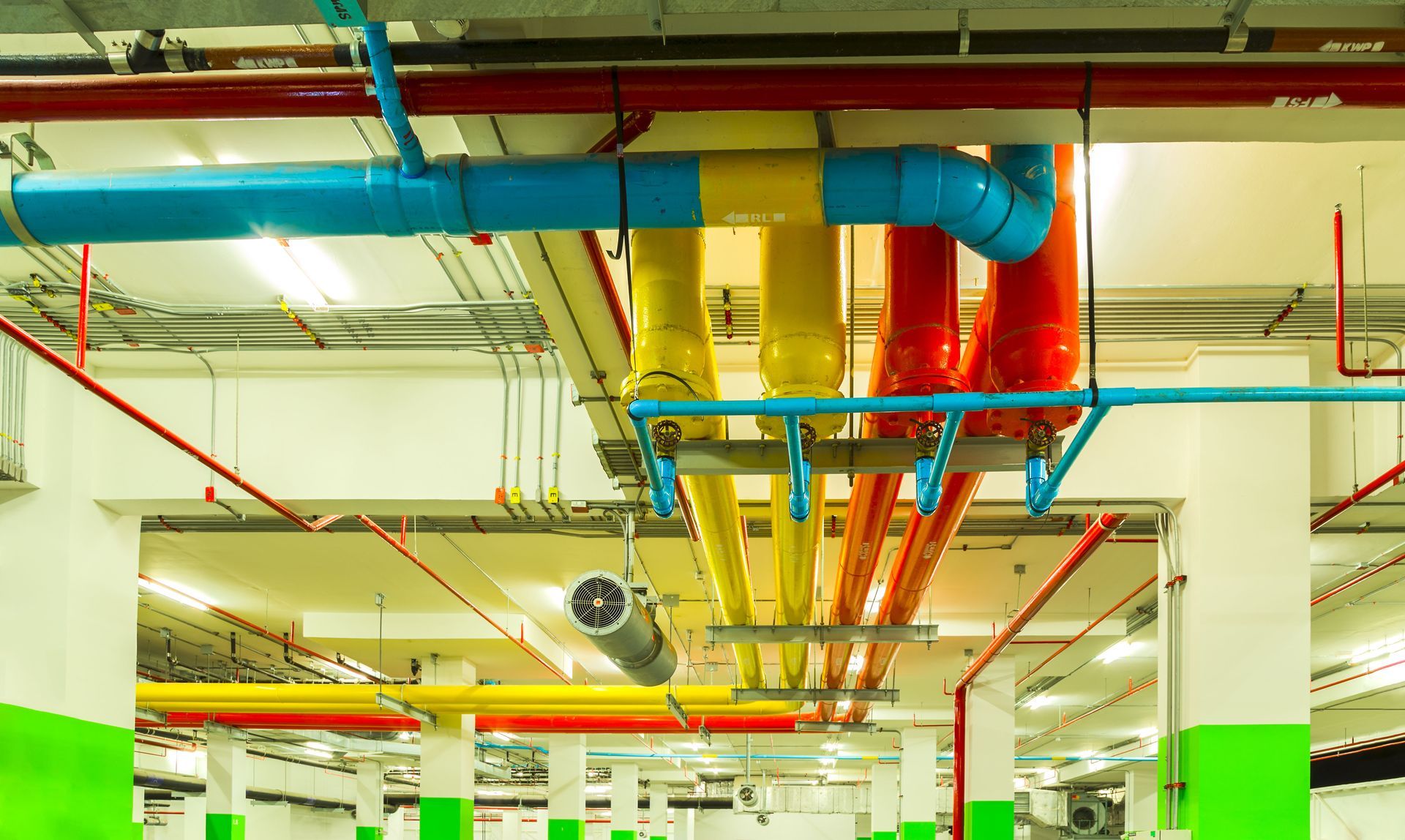
A fire sprinkler installation system comprises several essential components, each contributing to its overall functionality and reliability. The primary elements include a water supply, pipes, pumps, valves, and sprinkler heads. The water supply ensures there is adequate pressure and flow for the system to operate effectively. The pipes distribute water to the sprinkler heads, which release water when the system is activated by fire heat. Additionally, valves and pumps work to regulate water flow and pressure, ensuring optimal performance during emergencies. Collectively, these components work in harmony to deliver a rapid and effective fire response.
There are various types of fire sprinkler systems, each designed to suit specific environmental and structural requirements. Wet pipe systems are the most common, where water is constantly held within the pipes, ready for immediate release upon activation. Dry pipe systems, often used in colder climates, are filled with pressurized air or nitrogen, which is displaced by water when activated. Pre-action systems, a combination of wet and dry systems, require additional systems to confirm fire presence before water release. Finally, deluge systems release large volumes of water simultaneously and are typically used in areas with a high risk of rapid fire spread.
Fire sprinklers are engineered to provide a swift and effective response in fire emergencies, mitigating the spread and impact of fire. In our experience, when the heat from a fire reaches the operating temperature of a sprinkler head, typically between 135 and 165 degrees Fahrenheit, the sprinkler activates and water discharges over the affected area. Each sprinkler operates independently, thus only sprinklers in the immediate vicinity of the fire will activate, reducing water damage. This targeted operation conserves resources while maximizing efficiency. By acting quickly, these systems help contain the fire long before fire services can arrive, reducing the risk of significant damage or loss of life.
2. The Role of Fire Sprinkler Systems in Fire Prevention
Fire sprinkler installation systems excel in early fire detection and response, critical factors in minimizing fire damage and hazard. The systems are designed to detect fire presence through rapid temperature increases and respond without delay. This quick activation can significantly curb fire escalation, often controlling it before emergency services arrive. Effective suppression at the initial stage is vital, especially in preventing the fire from spreading to other areas. The response time provided by sprinkler systems can be the difference between a minor incident and a catastrophic event, underscoring their role in a comprehensive fire prevention strategy.
Containing a fire in its early stages is vital to prevent it from becoming a larger threat to life and property. Fire sprinkler systems play an integral role in this containment by ensuring rapid water deployment directly onto the source. This localized suppression effectively stifles the fire's ability to spread to different areas, maintaining overall safety. The efficiency of such systems exemplifies the benefit of having a proactive fire control measure. These systems are designed to be highly responsive, with the ability to suppress fires immediately in their nascent stages.
One of the often-overlooked benefits of fire sprinkler systems is their role in minimizing smoke and toxic fume production. When a fire is promptly suppressed, there is less combustion, leading to reduced smoke output. Smoke and fumes pose significant health risks, often leading to more injuries than the fire itself. By limiting these hazardous byproducts, sprinkler systems contribute not just to property protection, but to the health and safety of occupants. This dual role in fire response makes sprinklers a comprehensive defensive strategy against the adverse effects of fires.
3. Financial Benefits of Installing Fire Sprinkler Systems
One of the significant financial advantages of installing fire sprinkler systems is the potential for insurance discounts. Insurance companies often offer reduced premiums for properties that incorporate verified fire suppression systems, recognizing the decreased risk of fire-related claims. These discounts result in considerable long-term savings, offsetting initial installation costs over time. By investing in fire safety measures, property owners not only enhance protection but also place themselves in a favorable position financially. This aspect underlines the economic rationale behind encouraging sprinkler system installations across both commercial and residential strata.
The monetary impact of fire damage can be devastating, including costs associated with repairs, restorations, and content replacement. Fire sprinkler systems effectively reduce the severity of such damage, leading to cost savings. By controlling fires rapidly, sprinkler systems curtail the spread of flames, meaning fewer structures and possessions are affected. Consequently, the expenses linked with a fire disaster are lower, translating to financial ease for property owners. This prevention of high repair costs is a crucial financial consideration, supporting the installation of such systems as a prudent property management decision.
Beyond immediate financial implications, sprinkler systems represent a crucial investment in comprehensive safety and legal compliance. Many building codes and regulations now require fire suppression systems, particularly in certain occupancy types. By adhering to these requirements, property owners avoid costly penalties and bolster their buildings' safety standards. Furthermore, according to the U.S. Fire Administration, fire sprinkler installation systems and smoke alarms can reduce the risk of dying in a fire by 82%, an invaluable statistic when considering potential legal liabilities tied to fire incidents. This investment in safety is thus not just financially sound, but a necessary measure in responsible property management.
Fire sprinkler installation systems stand as one of the most effective and reliable tools in modern fire safety, offering rapid response, targeted suppression, and significant protection for both lives and property. From their carefully engineered components to their ability to control fires in their earliest stages, these systems play a vital role in reducing structural damage, limiting toxic smoke exposure, and preventing small incidents from becoming devastating disasters. Consult with a qualified fire protection professional to assess your building’s needs and ensure you’re fully protected.