June 9, 2026
The importance of fire safety in commercial buildings cannot be overstated. Fire protection systems help protect lives, reduce property damage and support business continuity during emergencies. Understanding the regulations surrounding sprinkler requirements is essential for business owners, developers and property managers. In many jurisdictions, failing to comply with fire protection laws can lead to fines, delayed occupancy approvals and increased liability. Learning when sprinkler systems are required can help organizations make informed decisions while improving building safety.
Understanding Fire Protection Systems
Modern fire suppression systems are designed to detect and control fires quickly before they spread throughout a structure. These systems work automatically by responding to heat and releasing water directly over affected areas. Because they respond rapidly, they often reduce injuries, smoke damage and structural destruction. According to the National Fire Protection Association, sprinkler systems significantly lower civilian fire fatalities and property loss in commercial structures.
Many businesses install commercial fire sprinklers because they provide dependable protection around the clock. Unlike manual firefighting methods, these systems activate even when buildings are unoccupied. This immediate response can slow a fire long enough for emergency crews to arrive and safely evacuate occupants. Their reliability has made them one of the most trusted forms of fire protection in commercial construction.
Types of Sprinkler Systems
There are several types of sprinkler systems used in commercial properties, each designed for different conditions and fire risks. Wet pipe systems are the most common because they store water directly in the pipes for immediate discharge. Dry pipe systems use pressurized air instead of water until activation occurs, making them useful in colder environments where freezing is possible. Pre-action systems add another layer of protection by requiring additional triggers before water release. Deluge systems discharge large amounts of water quickly and are commonly used in industrial settings with higher fire hazards.
The choice of system depends on building design, occupancy type and operational needs. Warehouses storing combustible materials may require more aggressive suppression systems than standard office spaces. Data centers and facilities with sensitive equipment often prefer pre-action systems to reduce accidental water damage. By selecting the correct design, property owners can improve safety while meeting regulatory expectations. Commercial fire sprinklers are often customized to address the specific hazards associated with different industries and occupancy levels.
Key Components and Maintenance
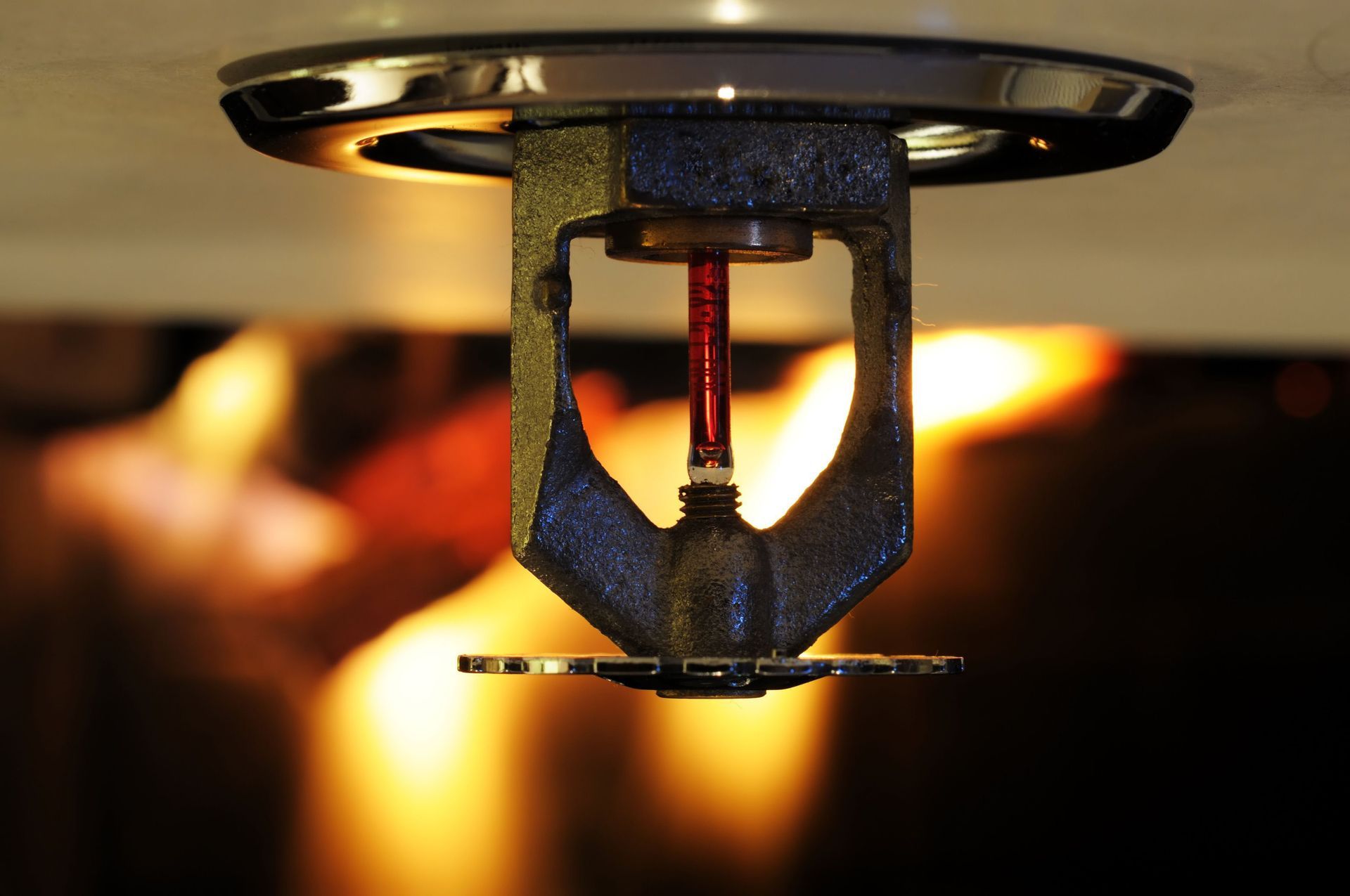
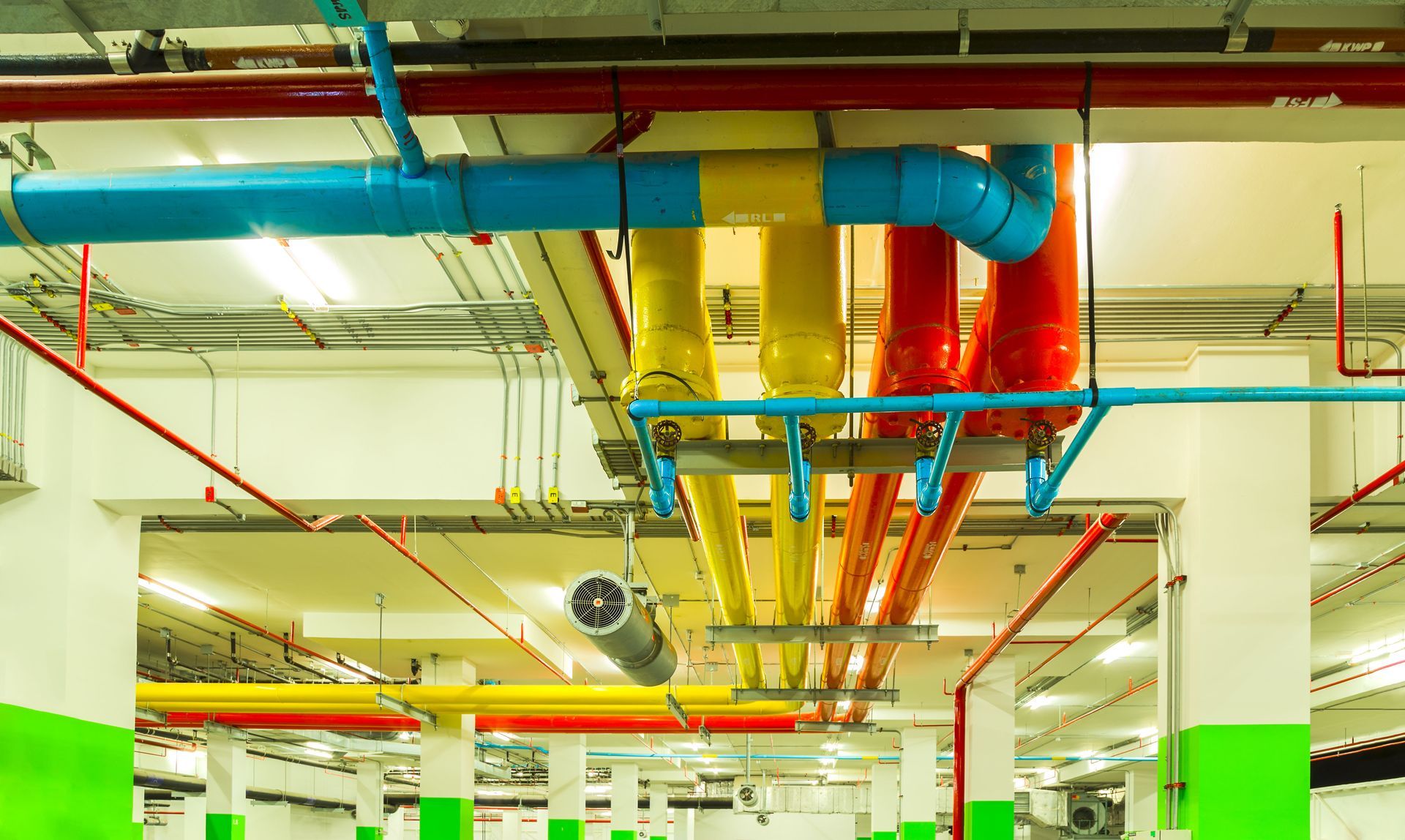
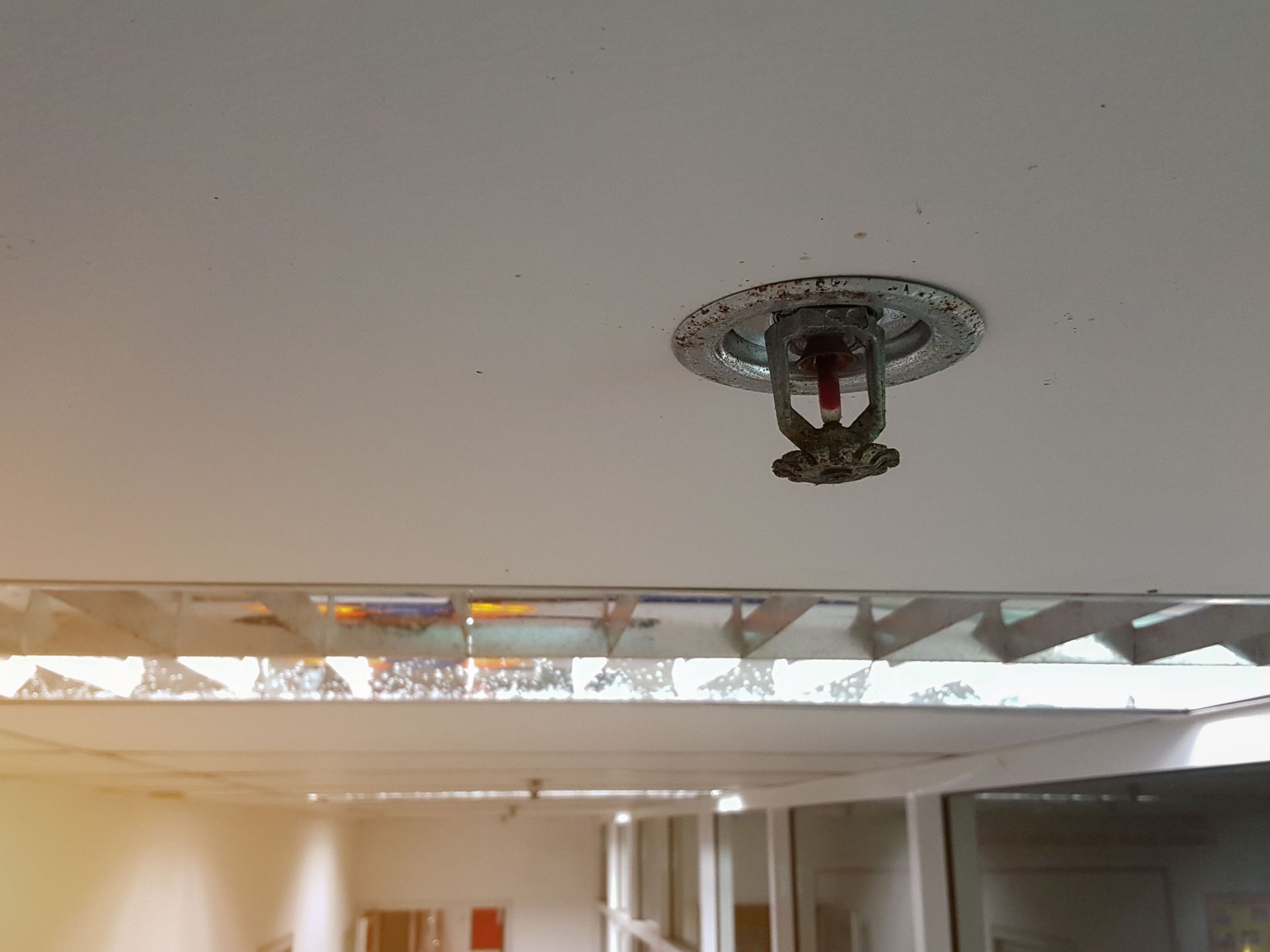
Every sprinkler system contains several important components that work together to suppress fires effectively. Sprinkler heads distribute water once heat triggers activation. Pipes connect the heads to a reliable water supply, while valves and alarms monitor system performance. Pressure gauges and flow switches help ensure water moves properly throughout the building during emergencies. Each component must function correctly for the entire system to remain effective.
Routine maintenance is critical for preserving system reliability. Inspections help identify leaks, corrosion or damaged parts before emergencies occur. Fire safety professionals also test alarms, valves and water pressure levels to confirm proper operation. Keeping accurate maintenance records can support insurance compliance and simplify regulatory inspections. Businesses that neglect maintenance risk system failure during critical situations, which may increase both legal and financial exposure.
Regulations and Building Codes
Fire safety requirements are primarily shaped by building codes and national fire protection standards. Organizations such as the International Code Council and the National Fire Protection Association establish guidelines for sprinkler installation, inspection and maintenance. These codes help ensure buildings meet minimum safety standards intended to protect occupants and property. Local governments frequently adopt these standards into law and may add additional requirements based on regional risks or building conditions.
Regulations are regularly updated to address evolving construction practices and modern fire hazards. Changes in building materials, occupancy density and smart technology integration continue to influence fire protection requirements. Because of these updates, property owners must stay informed about changing compliance obligations. Installing commercial fire sprinklers often helps businesses satisfy multiple safety requirements while supporting long-term risk management goals.
Occupancy Classification Requirements
Occupancy classification plays a major role in determining whether sprinkler systems are required. Buildings with large numbers of occupants, such as hospitals, hotels, schools and entertainment venues, generally face stricter fire protection standards. Industrial buildings handling hazardous materials may also require advanced suppression systems because of elevated fire risks. These classifications help regulators determine the appropriate level of protection needed for each type of property.
Mixed-use buildings often involve additional planning because different sections of the property may have separate safety requirements. Residential units connected to retail or office spaces can create more complex compliance situations. In these cases, fire protection engineers evaluate occupancy levels, evacuation routes and fire hazards to design appropriate suppression systems. Commercial fire sprinklers are commonly required in these buildings to help control fires before they spread between occupancy zones.
Building Size and Height Considerations
The size and height of a building significantly affect fire sprinkler requirements. Larger structures generally contain more occupants and longer evacuation routes, increasing the importance of rapid fire suppression. High-rise buildings also present additional challenges because fires can spread vertically while emergency responders may require more time to reach upper floors. For these reasons, many building codes require sprinkler systems in taller and larger commercial properties.
Complex floor plans, large storage areas and underground sections can further increase fire risks. Shopping centers, theaters and warehouses often require extensive sprinkler coverage due to the difficulty of evacuation during emergencies. Building owners must carefully evaluate these factors during the planning process to ensure compliance with all applicable codes. Commercial fire sprinklers provide an added layer of safety by limiting fire growth in areas where evacuation may take longer.
Insurance and Financial Benefits
Beyond life safety advantages, sprinkler systems can also provide financial benefits for businesses. Insurance companies frequently offer reduced premiums for buildings equipped with approved suppression systems because they reduce the likelihood of catastrophic losses. Lower repair costs, fewer operational disruptions and decreased liability exposure can also improve long-term financial stability. Investing in fire protection may help businesses recover more quickly after emergencies.
Many organizations recognize that prevention is often less expensive than rebuilding after a major fire. A single uncontrolled fire can result in property loss, damaged inventory and extended business closures. Reliable suppression systems help reduce these risks while supporting continuity planning. Commercial fire sprinklers therefore serve not only as safety features but also as valuable investments in operational protection and financial security.
Importance of Ongoing Compliance
Fire safety compliance requires continuous attention rather than a one-time installation process. Building owners should schedule inspections regularly, update systems when codes change and provide employee training on emergency procedures. Coordination with local fire officials and licensed contractors can help ensure all systems remain functional and compliant. Staying proactive helps businesses avoid penalties while maintaining a safer environment for employees and visitors.
As commercial buildings continue to evolve, fire protection standards will likely become even more advanced. Smart monitoring technology, improved detection systems and stronger construction regulations are shaping the future of fire safety. Businesses that invest in updated suppression systems today can better prepare for future risks and compliance requirements. Commercial fire sprinklers remain one of the most effective tools available for protecting lives, property and long-term business operations. Reach out to us at Lone Star Fire Sprinkler Inc today and experience quality fire sprinkler services.