April 7, 2026
Fire safety is a non-negotiable priority for both commercial and residential properties, especially as buildings age and risks evolve. Modern protection strategies focus on proactive systems that respond instantly, limit damage, and protect occupants without delay. Among the most effective solutions available today are fire sprinklers, which provide a critical layer of defense when every second counts. By combining rapid response, regulatory compliance, and long-term cost control, these systems play a central role in comprehensive fire protection planning.
1. Understand How Automatic Suppression Enhances Safety
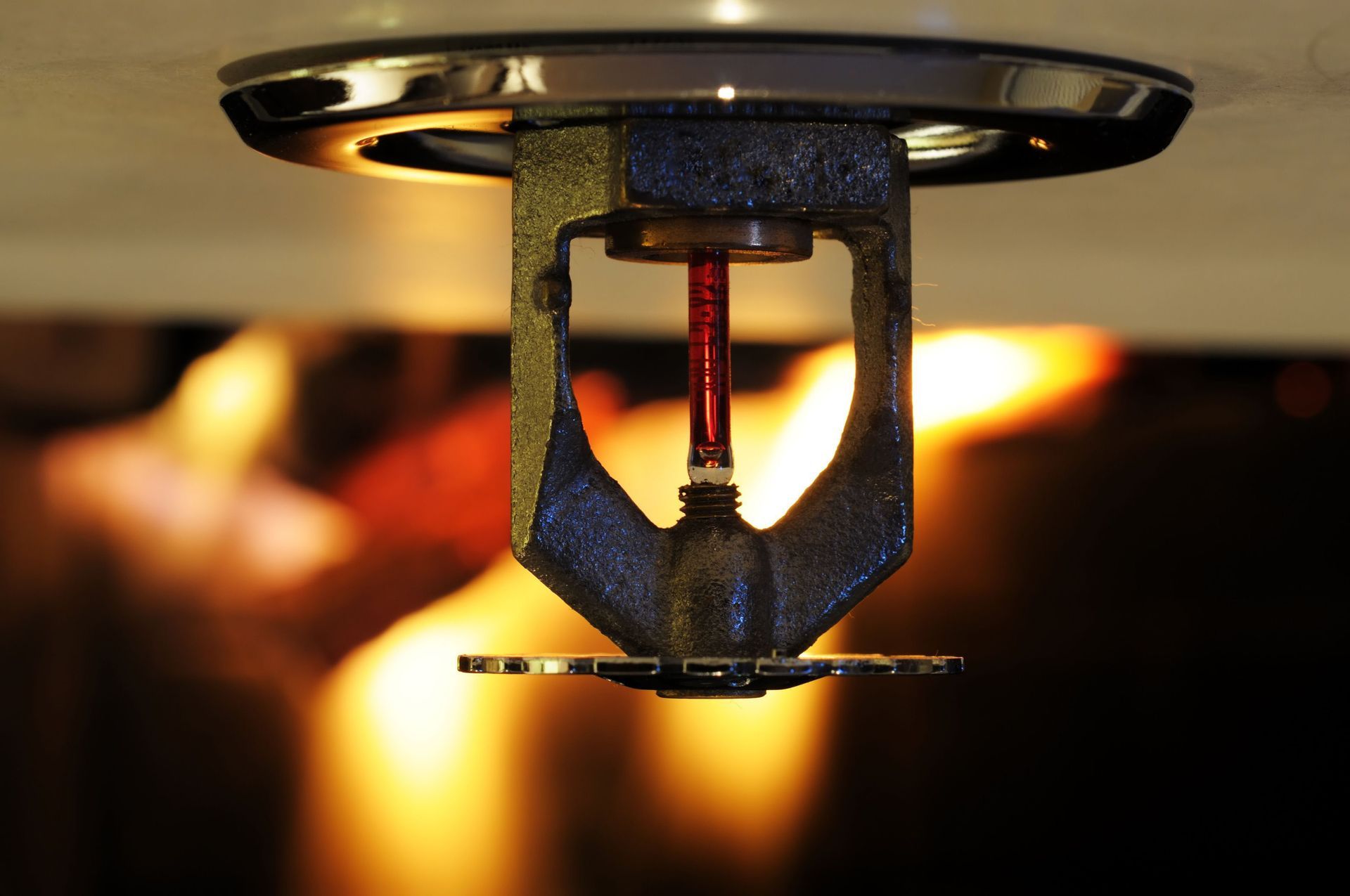
One of the most important advantages of fire sprinklers is their ability to activate immediately when heat levels rise. This rapid response often occurs before emergency services arrive, helping control flames at the earliest stage. By containing fires quickly, these systems create valuable time for safe evacuation and reduce the risk of injury. In high-occupancy environments, that early intervention can be the difference between a controlled incident and a major disaster. Additionally, fire sprinklers can effectively mitigate panic among occupants by providing them reassurance that a system is in place to manage the emergency before external help arrives.
This level of protection is especially important in older buildings where hidden risks may exist. According to the International Association of Certified Home Inspectors, properties built before the 1970s may contain aluminum wiring, which expands and contracts and can increase fire risk. When combined with modern suppression systems, these hazards can be managed far more effectively. Integrating updated safety infrastructure ensures that older properties meet today’s expectations for protection and performance. Furthermore, retrofitting these systems into older buildings not only addresses existing risks but also enhances the property’s market value and compliance with current safety regulations.
2. Reduce Fire Spread Through Strategic System Design
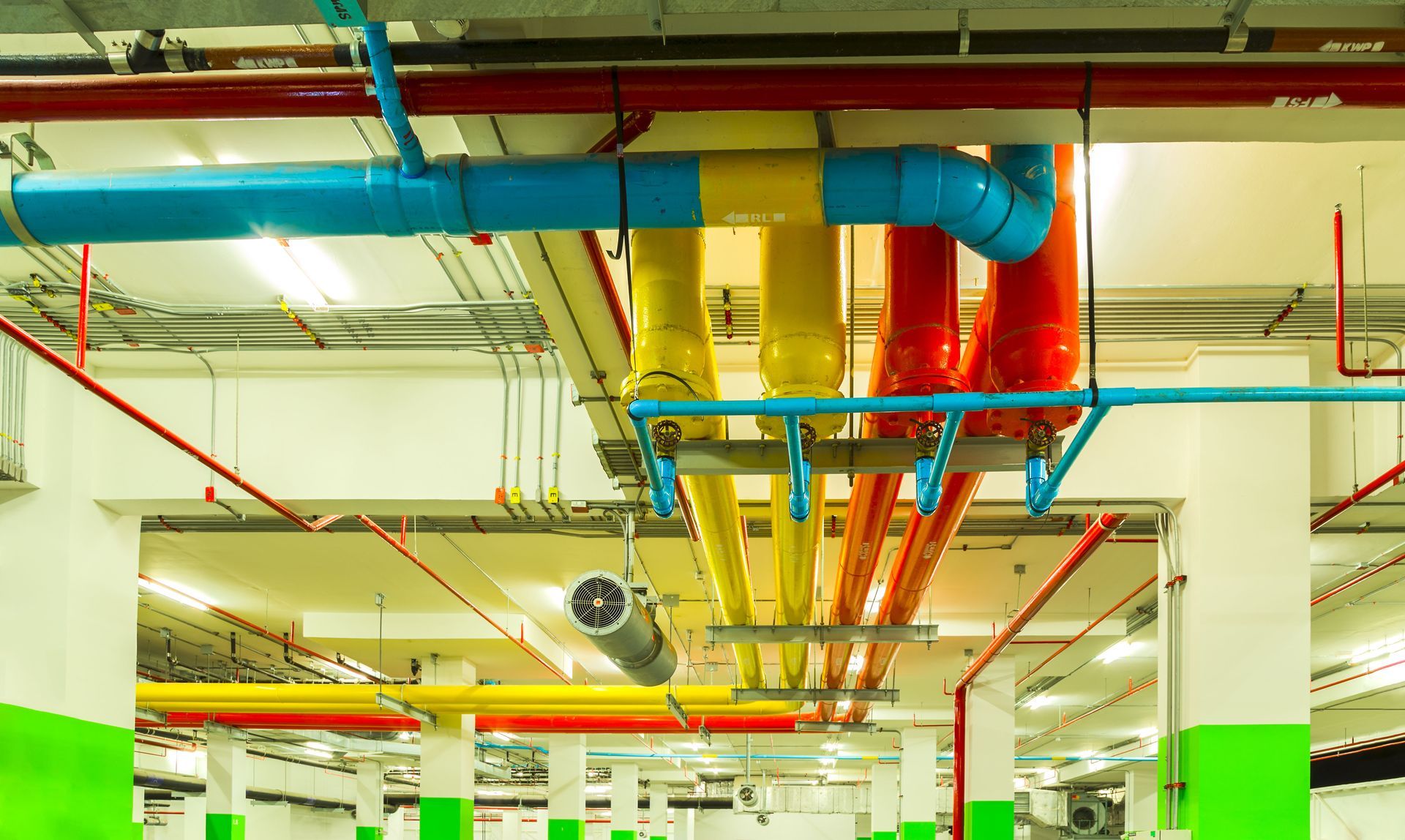
Containing a fire at its source is one of the most effective ways to minimize damage and disruption. Properly designed fire sprinklers are strategically placed to ensure coverage across high-risk areas, preventing flames from spreading through interconnected spaces. This is particularly critical in commercial environments where open layouts and shared systems can accelerate fire growth. By stopping progression early, the overall impact is significantly reduced. Moreover, this strategic placement helps maintain critical pathways for emergency exit, ensuring a safe evacuation route for all occupants.
Beyond structural protection, limiting fire spread also reduces heat and smoke damage throughout the property. This results in lower restoration costs and faster recovery timelines after an incident. Businesses benefit from less operational downtime, while property owners avoid extensive repairs. A well-designed suppression system supports both immediate safety and long-term asset preservation. In addition, their presence often leads to reduced insurance premiums due to the decreased risk of extensive damage.
3. Protect Occupants and Critical Assets
The primary goal of any fire protection system is to safeguard lives. By controlling flames and reducing smoke production, they create safer conditions for occupants to exit the building. Since smoke inhalation is a leading cause of fire-related fatalities, reducing airborne toxins is just as important as controlling the fire itself. This dual protection significantly lowers the risk of injury or loss of life.
In addition to protecting people, these systems help preserve valuable assets within the property. For businesses, this includes inventory, equipment, and essential documents that would otherwise be lost. For property owners, it means maintaining structural integrity and avoiding devastating financial setbacks. This level of protection reinforces the value of investing in professional fire safety systems.
4. Minimize Smoke and Environmental Impact
Fires do not just damage structures—they also release harmful pollutants into the air. By controlling fires quickly, fire sprinklers reduce the volume of smoke and toxic emissions produced during an incident. This protects not only occupants and first responders but also the surrounding environment. Limiting airborne contaminants is an often-overlooked benefit that adds to the overall effectiveness of these systems.
For commercial properties, reduced smoke damage also protects sensitive equipment and materials. Electronics, machinery, and specialized inventory can suffer long-term damage even if flames never reach them. By minimizing exposure, businesses can avoid costly replacements and maintain operational continuity. This added layer of protection strengthens overall risk management strategies.
5. Detect Hazards Early with Integrated Systems
Modern fire protection goes beyond suppression; it includes early detection and system integration. Today’s fire sprinklers often work alongside alarms and monitoring systems to identify risks before they escalate. This coordinated approach provides real-time alerts, allowing occupants to respond quickly and safely. Early detection is especially valuable in facilities with complex layouts or high occupancy levels.
Integrated systems also provide ongoing data and diagnostics that support long-term safety planning. Building managers can monitor performance, identify potential issues, and ensure systems remain compliant with evolving standards. This proactive approach reduces the likelihood of system failure and enhances overall preparedness. With the right infrastructure in place, properties benefit from both immediate response and continuous improvement.
6. Lower Long-Term Costs and Insurance Expenses
Investing in fire sprinklers delivers measurable financial benefits over time. Insurance providers often offer reduced premiums for properties equipped with effective suppression systems due to the lower risk of severe damage. These savings can offset installation costs and contribute to a more predictable financial outlook. For both residential and commercial owners, this creates a strong return on investment.
Beyond insurance, reduced damage leads to lower repair and restoration costs after an incident. Fires that are quickly contained require less cleanup, fewer replacements, and shorter recovery timelines. This is particularly important for businesses where downtime directly impacts revenue. By minimizing disruption, property owners can maintain stability even in unexpected situations.
7. Ensure Compliance with Codes and Safety Standards
Meeting regulatory requirements is a critical aspect of property ownership and management. Fire sprinklers help ensure compliance with local building codes and national safety standards, reducing the risk of penalties or operational delays. These systems are often required in commercial buildings and play a key role in passing inspections. Working with experienced professionals ensures proper design, installation, and documentation.
Compliance also supports long-term adaptability as regulations evolve. Properties equipped with modern systems are better positioned to meet future requirements without significant upgrades. This forward-thinking approach protects both the building and its occupants. Staying compliant is not just about avoiding fines—it’s about maintaining a safe and responsible environment.
8. Maintain System Performance Through Professional Services
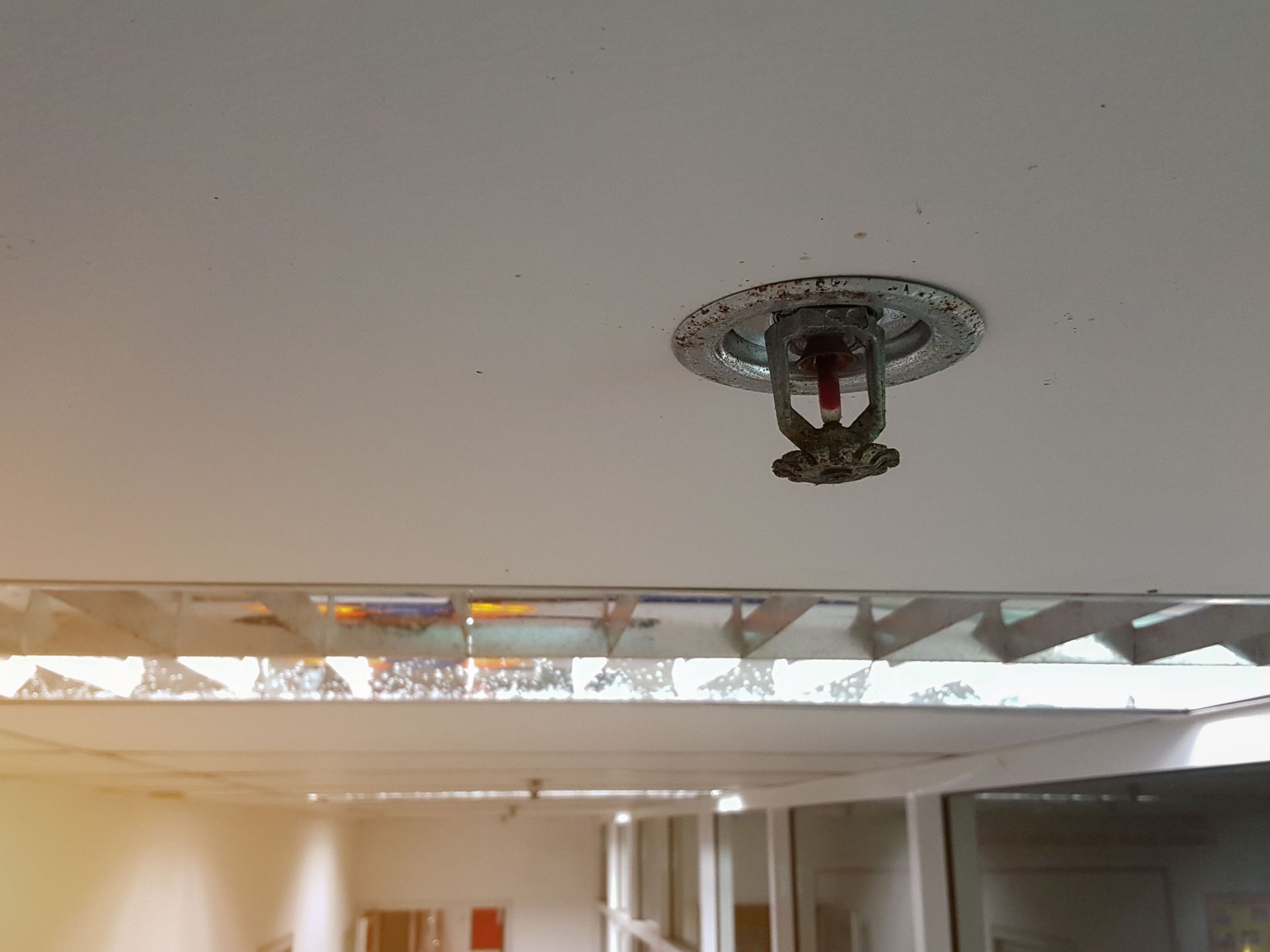
Ongoing maintenance is essential to ensure fire protection systems perform as intended. Regular inspections, including annual and five-year evaluations, verify that all components are functioning properly. Services such as backflow prevention and system testing help identify issues before they become critical. Consistent maintenance ensures readiness at all times.
Professional support also extends to system upgrades and renovations as properties change. Whether expanding a facility or updating older infrastructure, tailored solutions ensure continued protection. This includes commercial installation, retrofitting, and performance optimization. A well-maintained system remains reliable, efficient, and aligned with current safety expectations.
Fire protection is not something to leave to chance, especially when the safety of people and property is at stake. Investing in fire sprinklers provides immediate response capabilities, reduces long-term costs, and ensures compliance with evolving safety standards. These systems deliver measurable value by limiting damage, supporting faster recovery, and enhancing overall resilience. For dependable protection and expert service, contact Lone Star Fire Sprinkler Inc to ensure your property is equipped with the highest level of fire safety.